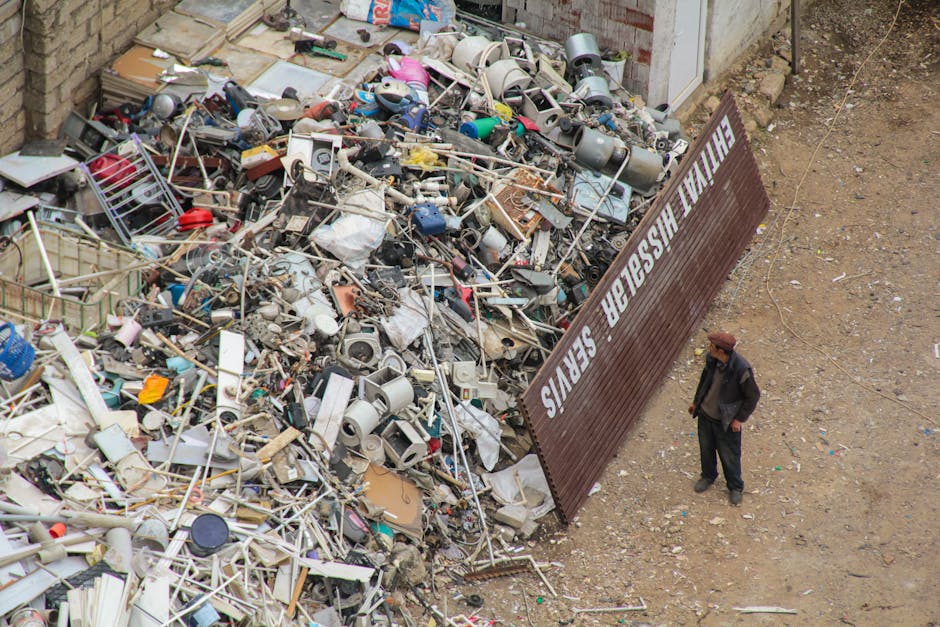
Household waste removal Fournier Street Spitalfields tips
If you live, work, or manage a property near Fournier Street in Spitalfields, household waste removal can feel oddly fiddly. The street is busy, space is tight, access can be awkward, and one wrong move can turn a simple clear-out into a messy afternoon. These Household waste removal Fournier Street Spitalfields tips are designed to make the process calmer, faster, and far more predictable.
Whether you are dealing with a few bulky bags, an overstuffed flat after a move, or a full house clear-out, the real challenge is usually not the rubbish itself. It is planning it well enough to avoid delays, missed collections, damaged shared entrances, or unnecessary costs. In a place like Spitalfields, that planning matters. A lot.
This guide walks through how household waste removal works locally, what to prepare, how to choose the right method, and the small decisions that make the biggest difference. You will also find a practical checklist, a comparison table, and answers to common questions people ask before booking a service. Let's keep it simple and useful.
Why Household waste removal Fournier Street Spitalfields tips Matters
Fournier Street sits in one of the more characterful parts of East London, and that charm comes with practical constraints. Narrow roads, controlled access, shared entrances, short loading windows, and neighbours who will very quickly notice a blocked pavement all shape how waste should be handled. In other words, a "just chuck it out" approach is usually the fastest route to stress.
The best household waste removal plan respects the local setting. That means thinking about where items will be moved from, how they will be carried, whether a vehicle can stop legally, and what type of waste you are actually dealing with. A box of old clothes is one thing. A broken wardrobe, a mattress, and a pile of mixed bits from the loft are another.
There is also a wider point here: the cleaner and more organised your removal process, the easier it is to separate reusable items from waste that needs disposal. That helps reduce landfill, avoids last-minute panic, and usually makes the whole job less expensive. To be fair, nobody loves waste day. But a tidy plan makes it feel far less annoying.
If you are clearing a property after a tenancy, before a sale, or after a long-overdue declutter, getting it right first time matters. Miss one bag or leave one bulky item behind, and the whole space can still feel unfinished. That half-done feeling is never ideal.
How Household waste removal Fournier Street Spitalfields tips Works
In practical terms, household waste removal is the process of collecting, loading, transporting, sorting, and disposing of unwanted domestic items in a safe and lawful way. Depending on the scale of the job, this may be done through a man and van-style collection, a skip, a grab service, or a more tailored clearance visit.
The right method depends on volume, access, time pressure, and the kind of material involved. A few bin bags and a broken chair may suit a quick collection. A flat full of mixed furniture, old appliances, and renovation offcuts may be better handled with a larger clearance plan or a suitable skip arrangement. For many households, a service like rubbish removal offers the most straightforward route because the loading and disposal are handled in one go.
Here is the basic flow most people should expect:
- You identify the waste type and amount.
- You check access, parking, and any restrictions on the street or building.
- You choose the removal method that matches the job.
- You separate obvious recyclables, valuables, and hazardous items.
- The waste is collected or loaded safely.
- It is transported to an appropriate disposal or recycling facility.
That sounds simple, and often it is. The real trick is the prep. A flat with a narrow staircase, awkward front door, and no lift can make a "small" job take twice as long. A house with a clear driveway and sorted items? Much easier. In our experience, the prep is where most people either save time or lose it.
When a job is larger, a skip may make more sense, especially if the waste is being generated over a few days rather than all at once. For domestic jobs with ongoing loading, domestic skip hire can be a practical option. If you are not sure which route fits, comparing the access, the urgency, and the waste type is usually enough to point you in the right direction.
Key Benefits and Practical Advantages
Good household waste removal is not just about getting rid of junk. It improves safety, frees up space, and makes the property easier to live in, sell, rent, or repair. That is especially true in a dense urban area where clutter quickly feels magnified.
Some of the main benefits are fairly obvious, but worth spelling out:
- Less clutter, more usable space. A cleared room feels bigger immediately.
- Lower trip and fire risk. Stacked bags, loose cables, and broken furniture are easy hazards.
- Faster moves and refurbishments. Tradespeople work better when they are not weaving around leftovers.
- Better recycling outcomes. Sorting items early helps divert reusable or recyclable material.
- Reduced stress. A tidy plan usually means fewer "what do we do with this?" moments.
There is also a less obvious advantage: a thoughtful removal process can protect shared spaces. In properties near Fournier Street, stairwells, hallways, and front steps often matter as much as the room itself. Nobody wants scuffed walls or a grumpy neighbour before lunch.
Another benefit is timing. A well-organised removal can often be completed in a short window, especially if items are grouped and access is prepared in advance. If you need speed, services such as same-day skip hire or wait and load skip hire may be worth considering, depending on what is allowed at the site and how quickly you need the space cleared.
Who This Is For and When It Makes Sense
This kind of household waste removal advice is useful for more people than you might think. It is not only for major clearances or end-of-tenancy situations. Even a modest accumulation of items can become a real headache if it is left too long.
It makes sense if you are:
- moving out or moving in
- clearing a rental flat after tenants leave
- emptying a loft, garage, or spare room
- replacing furniture or appliances
- dealing with post-renovation domestic debris
- preparing a property for sale or letting
- helping an elderly relative downsize
- dealing with inherited household contents
Sometimes people wait because the job feels manageable in theory. Then the pile grows. Then the bags start leaning against the wall. Then you realise the old wardrobe has to turn corner by corner down a narrow staircase, and suddenly the "weekend task" looks more like a small operation.
That is the point where a clear removal plan becomes useful. If you need something more hands-on, a house clearance service can help when you want the property emptied with minimal fuss. If the work is lighter but still awkward, man and van support can be a good middle ground for item-by-item loading.
Step-by-Step Guidance
If you want a smoother result, do the job in stages. Rushing at the end almost always creates avoidable problems. Here is a practical sequence that works well for most homes around Spitalfields.
1. Walk through the property and identify what needs to go
Start with a room-by-room check. Note bulky items, bagged waste, reusable goods, electronics, and anything that may need special handling. Be honest here. That half-broken chair in the corner is still a chair you have to move.
2. Separate waste by type
Mixing everything together makes disposal harder. Try to group general household waste, furniture, cardboard, scrap metal, appliances, textiles, and anything that needs careful handling. If you have mixed items, a service with flexible sorting may be easier than trying to sort everything yourself.
3. Check access and parking
Look at the route from the property to the vehicle. Is there a front step? A tight hallway? A lift that barely fits a large item? Is kerbside stopping possible? These little things matter more than people expect. One awkward bend can turn a 20-minute task into a lengthy lift-and-twist exercise.
4. Remove valuables and reusables first
Before anything leaves the property, set aside documents, jewellery, chargers, keys, sentimental items, and anything you want to donate or resell. It sounds obvious, but in the middle of a clear-out, obvious things get overlooked. Happens all the time.
5. Choose the right removal method
For smaller mixed loads, direct collection may be simplest. For ongoing waste generation, a skip may suit better. For awkward bulky items, consider dedicated bulky waste removal. If the waste includes white goods, look at specific services such as fridge and appliance removal rather than trying to force them into a general load.
6. Load safely and evenly
Heavy items should not be balanced on top of fragile ones. Bags should be tied properly. Sharp edges should be covered or separated. This is not overcautious; it is common sense with fewer bruises. And frankly, nobody wants a sofa scraping a stair rail at 8 a.m.
7. Confirm recycling and disposal routes
Ask how the waste will be handled. A responsible operator should be able to explain how recyclable material is separated and where different waste streams go. If sustainability matters to you, a provider with a clear recycling and sustainability approach is worth considering.
8. Do a final sweep
Check cupboards, sheds, behind doors, under beds, and around radiators. Small items love hiding in plain sight. A final walk-through is often the difference between a job that feels done and one that nags at you for another week.
Expert Tips for Better Results
These are the small, practical moves that tend to save the most time and frustration.
- Photograph the waste before booking. Pictures help estimate volume and avoid under- or over-ordering.
- Measure bulky items. A sofa or wardrobe that looks "fine" may not fit through a tight hallway as you expect.
- Keep a clear path to the exit. One free corridor can speed the whole job up.
- Label what is staying. A simple sticky note on keepers can stop accidental disposal.
- Book around building rhythms. In shared properties, try to avoid delivery or collection times that clash with peak foot traffic.
- Separate hazardous or specialist items early. Paints, chemicals, and some electrical items need extra care.
One useful trick is to create three visible zones: keep, donate, remove. It sounds almost too neat, but it works. Even on a messy day, clear zones reduce decision fatigue. And decision fatigue is real, especially when you are standing in a room full of old boxes at the end of the day.
If you are not sure whether a load is better suited to a skip or direct collection, browse skip sizes and prices to get a feel for volume-based planning. If access is limited and you need a temporary solution for rubbish bag by rubbish bag, you might also look at enclosed and lockable skip hire for added security where that is appropriate.
Common Mistakes to Avoid
Most waste removal problems are preventable. The same few mistakes come up again and again, and they are usually avoidable with five minutes of thought. Which, admittedly, is the sort of thing everyone says after the fact.
- Leaving booking too late. If you need a collection by a certain day, do not assume a slot will appear magically.
- Underestimating volume. Mixed household waste expands once you start lifting and sorting.
- Forgetting access issues. Narrow stairs, secure doors, parking limits, and resident-only bays can all change the plan.
- Mixing restricted items with general waste. Hazardous material and certain electrical items often need separate handling.
- Ignoring shared-space etiquette. Hallways and entrances should stay clear and tidy.
- Not asking how items are disposed of. Good questions lead to better outcomes.
A common one in Spitalfields is assuming any vehicle can stop anywhere "just for a minute." Sometimes that minute becomes a penalty, a complaint, or a blocked pavement. Better to plan for legal access from the start.
Another mistake is trying to squeeze everything into one late-night clean-up. You can do it, of course. But the room-by-room approach usually wins. Less drama, fewer forgotten bits, fewer sore shoulders the next day.
Tools, Resources and Recommendations
You do not need fancy equipment to manage household waste well, but a few basic tools make a real difference.
- Heavy-duty rubble sacks or bin bags for general waste and smaller mixed items
- Marker pens and labels for keep, donate, recycle, remove
- Gloves and closed footwear for basic safety
- Measuring tape for sofas, wardrobes, mattresses, and tight doorways
- Trolley or sack truck if items need moving over a distance
- Storage boxes for valuables and small keepers
For more specialised household items, it helps to use the right service rather than treating everything as one generic load. Mattresses and sofas, for example, can be awkward to move and dispose of properly. A dedicated service like mattress and sofa disposal can save time and reduce hassle when bulky soft furnishings are the main issue.
If your clear-out includes loft clutter, old suitcases, and forgotten boxes, garage and loft clearance may fit the job better than a general household collection. For garden cuttings, soil bags, and seasonal waste, garden waste removal is usually a better match than mixing green waste into a general domestic load.
For households trying to keep things tidy with less environmental impact, a provider that supports waste recycling services can be a good fit. It is not only about being greener; it often improves efficiency too.
Law, Compliance, Standards, or Best Practice
Waste handling in the UK should be carried out responsibly, and while this article is not legal advice, there are some practical norms worth following. Household waste should only be passed to a legitimate carrier or removed in line with local requirements. Fly-tipping, unsafe storage, and careless disposal can create trouble for the property owner as well as the people moving the waste.
If you are using a skip or placing items on the street, you may need to consider permissions or permits depending on the location and the setup. For many readers, the relevant starting point is understanding permit needs before the waste is on the pavement. Services such as skip permits and skip hire permits are there for exactly that reason.
It is also sensible to check how hazardous or restricted items are handled. Paints, solvents, chemicals, and certain electrical items should not be casually mixed into general rubbish. When in doubt, ask first. A bit of caution here saves a lot of trouble later.
Good practice also includes:
- keeping pavements and shared areas clear
- using safe lifting techniques
- protecting floors and door frames
- segregating special waste streams where needed
- confirming insurance and safe working practices for the removal provider
If you want to review provider standards, pages such as health and safety policy and insurance and safety can help you understand what responsible service provision should look like. It is not glamorous, granted, but it matters.
Options, Methods, or Comparison Table
Different jobs suit different methods. The table below gives a simple way to compare the main options for household waste removal around Fournier Street and wider Spitalfields.
| Method | Best for | Strengths | Things to watch |
|---|---|---|---|
| Direct rubbish removal | Small to medium mixed loads | Fast, straightforward, minimal disruption | May not suit repeated or very large loads |
| Domestic skip hire | Ongoing clear-outs, larger piles | Flexible loading over time | Space, access, and permit issues may apply |
| Wait and load | Tight streets or no long-term space | No skip left behind, useful where parking is limited | Needs good preparation and quick loading |
| Man and van | Bulky item lifting, awkward access | Handy for stairs and mixed items | Can take longer for large-volume waste |
| House clearance | Full property clear-outs | Comprehensive, less stress for the customer | May be more than needed for very small jobs |
If access is tight or timing matters, a quick collection service can be the least disruptive choice. If you have several days of sorting ahead of you, a skip may be the calmer option. There is no one-size-fits-all answer, and that is actually good news. It means you can match the method to the mess, which is usually the smartest way to do it.
For some jobs, especially those involving mixed bulky waste, grab hire services can also be worth exploring. They are not the first choice for every household, but they can be efficient when access and volume line up well.
Case Study or Real-World Example
Imagine a two-bedroom flat off Fournier Street after a long tenancy. The living room has a sofa, a coffee table, old curtains, several bags of household rubbish, a broken chest of drawers, and a mattress that has been stored "just for now" for far too long. The hallway is narrow. The building is shared. The lift is small. Of course it is.
In that situation, the best result usually comes from breaking the job into a few decisions rather than one big scramble. First, the flat is walked through and all keepers are removed. Next, the bulky items are measured so nobody gets stuck at the stair bend. Then the remaining waste is grouped by type. A mattress is treated separately. Lightweight bags are stacked ready by the exit. The collection is booked for a time that avoids the busiest foot traffic.
The difference is noticeable. Instead of a room-by-room panic, the clear-out becomes a sequence. Doors stay unmarked, shared areas remain passable, and the job finishes without a last-minute rearrangement of half the flat. In truth, that is the sort of success people remember later: not excitement, just relief.
And yes, there is usually one awkward object in the mix. There always is.
Practical Checklist
Use this checklist before collection day or before you start loading a skip.
- Walk through every room and list what must go
- Separate keep, donate, recycle, and remove items
- Remove valuables, documents, keys, and personal items
- Measure bulky furniture and note access pinch points
- Check stair width, lift size, and door clearance
- Confirm parking or loading arrangements
- Set aside hazardous or specialist waste
- Decide whether you need direct collection, skip hire, or clearance
- Ask about recycling, disposal, and permit requirements
- Protect floors, walls, and shared entrances where needed
- Do one final sweep before the team arrives
If you work through that list calmly, the whole process usually feels much less chaotic. Small prep, big payoff. Simple, but true.
Conclusion
Household waste removal on Fournier Street in Spitalfields is easiest when you treat it like a small project, not a rushed chore. The combination of local access challenges, mixed domestic waste, and the need to keep shared spaces tidy means planning matters. But once you know what you are dealing with, the job becomes much more manageable.
The main idea is straightforward: sort first, choose the right removal method, protect access, and be realistic about volume. That alone prevents most of the common headaches. If you need a fast, practical route, compare your options carefully and pick the approach that suits the space, the waste, and the timeline. That is really the heart of it.
Get a free quote today and see how much you can save.
And if all you take from this guide is a little more confidence for the next clear-out, that is already a win. One room at a time, it does get easier.
Frequently Asked Questions
What is the best way to handle household waste removal on Fournier Street?
The best method depends on the amount of waste, the access to your property, and how quickly you need it gone. For small to medium loads, direct rubbish removal can be the simplest option. For larger or slower-moving clear-outs, a skip or house clearance may make more sense.
Do I need a skip permit in Spitalfields?
You may need a permit if a skip will be placed on a public road or somewhere that requires permission. The exact requirement depends on the setup, so it is best to check before booking. If access is tight, a wait and load option may avoid the need for a long-term street placement.
Can I put furniture, bags, and old appliances together?
Sometimes yes, but it is better to separate items where possible. Furniture, bagged waste, and appliances may be handled differently, especially if there are recycling or specialist disposal considerations. Keeping them grouped makes loading faster and disposal cleaner.
What should I do with a broken fridge or freezer?
White goods like fridges and freezers should be handled through a suitable appliance removal route because they may contain components that need careful treatment. A general household rubbish pile is usually not the right place for them.
Is same-day waste removal available in Spitalfields?
Sometimes it is, depending on availability and the size of the job. Same-day options can be helpful if you have a last-minute move, a landlord deadline, or a sudden clear-out. It is always best to ask early in the day if speed matters.
How do I know whether I need house clearance or just rubbish removal?
If you are clearing a whole property or most of its contents, house clearance is likely the better fit. If you are dealing with bags, a few bulky items, or a partial room clear-out, rubbish removal may be enough. The scale of the job usually gives the answer.
What waste should never be mixed with general household rubbish?
Hazardous materials, some chemicals, and certain specialist items should not be treated as ordinary waste. If something feels risky or unusual, ask before loading it in with everything else. A little caution prevents bigger issues later.
How can I make the removal quicker on the day?
Group items in one place, keep pathways clear, remove valuables in advance, and make sure the collection team can reach the load without delays. Good prep does half the work for you. Honestly, sometimes more than half.
Are recycling and sustainability really worth asking about?
Yes. A responsible service should be able to explain how waste is sorted and where recyclable material goes. If you care about reducing landfill or just want a cleaner process, that question is worth asking every time.
What are the most common mistakes people make with household waste removal?
The biggest mistakes are leaving it too late, underestimating how much there is, ignoring access problems, and mixing different waste types without checking what is allowed. These are all easy to avoid once you slow down and plan the job properly.
Can I book a service for bulky items only?
Yes, many people do exactly that. Bulky items like sofas, wardrobes, and mattresses are often the main reason people book a collection in the first place. If that is your situation, it is usually better to arrange a service that specialises in large items rather than trying to move them alone.
What if I am clearing a flat in a narrow street with little parking?
That is very common in central London areas, and it is exactly why planning matters. Check access, ask about loading options, and think about timing before collection day. A method that avoids long roadside parking can be much less stressful.